Florian Verdier
Independent Researcher, Sens, France.
Email: fverdier.ei (at) gmail (dot) com
Almost half of the world’s population plays video games (Buijisman, 2024). Whether the experience is intensive or sporadic, gaming has become commonplace, diverse, and complex. While many games, such as Mario Kart, Fortnite or Rocket League, are primarily designed to entertain players, the advent of independent gaming, combined with virtual and touch interfaces that are increasingly present in our lives, has led to the emergence of so-called ‘serious’ video games.
A ‘serious’ game is an experience that uses the codes of video games to convey a message (Annetta, 2010; Verdier, 2024b). They can be used in several cases, such as social learning, or to express serious topics, such as violence against women (Annetta 2010; Verdier, 2024b; Veríssimo, 2024). But this “serious” part of video games can be mixed with a practice whose primary objective is entertainment or discovery (Annetta 2010; Verdier, 2024b; Veríssimo, 2024). For example, many games with an environmental theme subtly teach ecology. The 2024 French video game Kamaeru: A Frog Refuge, behind its cuteness, teaches players about the importance of wetland management (Verdier, 2023a; Couture, 2024), while the more ambitious 2023’s Under the Waves teaches the importance of marine ecosystems (Verdier, 2023a; Surfrider Foundation, 2024).
In recent years, video games have also been used for conservation purposes (Veríssimo, 2024). The game Kakapo Run aims to raise awareness about the future of the kākāpō (Strigops habroptilus), a critically endangered New Zealand parrot, by borrowing from another successful mobile video game, Temple Run, a pioneer of the new generation of “Endless Runner” genre (Chong, 2015) The game, which has been downloaded more than 100,000 times, is just one example of the many efforts being made to interest the general public in these issues.
In this study, we will look at another game based on another bird, Barau’s petrel (Pterodroma baraui). Thierry Brochart and Rodolphe Bax, the developers of Pixel Sunset Studio, and Julie Tourmetz, Capacity Manager at the SEOR (Société d’études ornithologiques de La Réunion) Wildlife Conservation Centre, agreed to talk to me about the creation of Jack Barau, a video game that aims to raise public awareness about the future of this bird (SEOR, 2016). Camille Paget, who was Communication Officer of the SEOR at the time and a particularly important person on the ‘Life+ Pétrels’ project, could not be contacted for writing this paper.
After that, we will see that creating a video game about conservation remains complicated as it involves rules and constraints, but also that the success of the operation, although real, is difficult to measure given the actions taken before the game was released. In any case, video games remain a powerful tool for raising awareness and, when used effectively, can teach the general public about the importance of conserving species and the environments in which they live.
MAKING OF THE GAME
Barau’s Petrel
Barau’s petrel (Pterodroma baraui) is an endangered seabird measuring approximately 40 cm in length, 1 m in wingspan, and it belongs to the Procellariidae family. Only around 15,000 to 20,000 pairs of this bird remain; it is classified as ‘Vulnerable’ by the IUCN (Carboneras et al., 2020a; Life+ Pétrels, 2025). It spends half its time cruising the waters of the Indian Ocean, while the other half is devoted to breeding, which takes place only on the island of Réunion. This species is known to be philopatric, and the pair incubates, cares for, and feeds a single chick per year. If the clutch fails, for assorted reasons including predation by rats and cats, it is not replaced (Carboneras et al., 2020a; Life+ Pétrels, 2025).
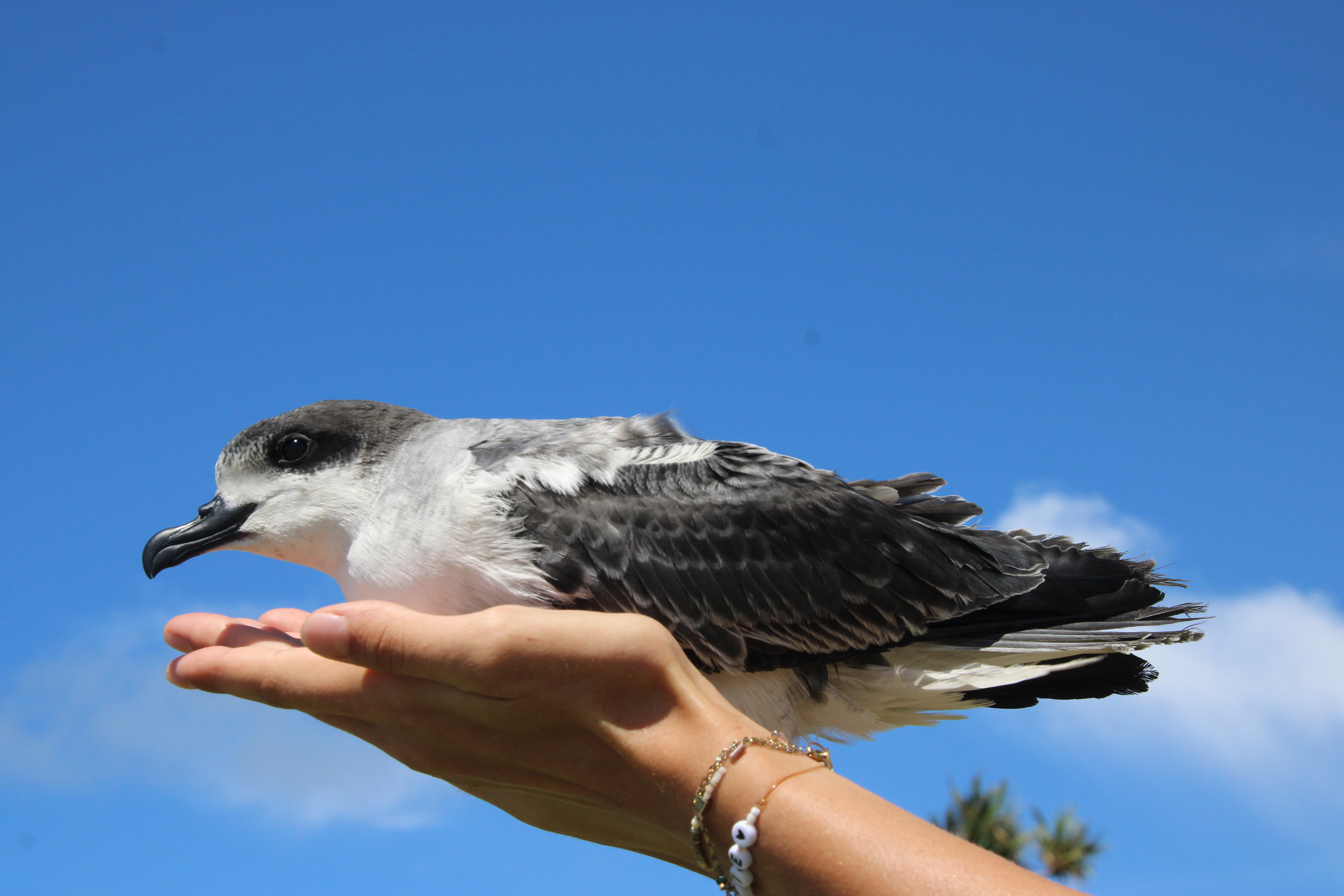
The young birds that leave the nest are also subject to serious dangers. In addition to cats and other predators, young petrels are also victims of heavy light pollution, which disorients them during their first flights and causes them to land in the middle of cities, where they have great difficulty taking off again. These birds probably mistake the lights for food or the night sky, as their eyes are not yet fully developed (Carboneras et al., 2020a; BL Évolution, 2022; Guide-Reunion, 2025; Life+ Pétrels, 2025).
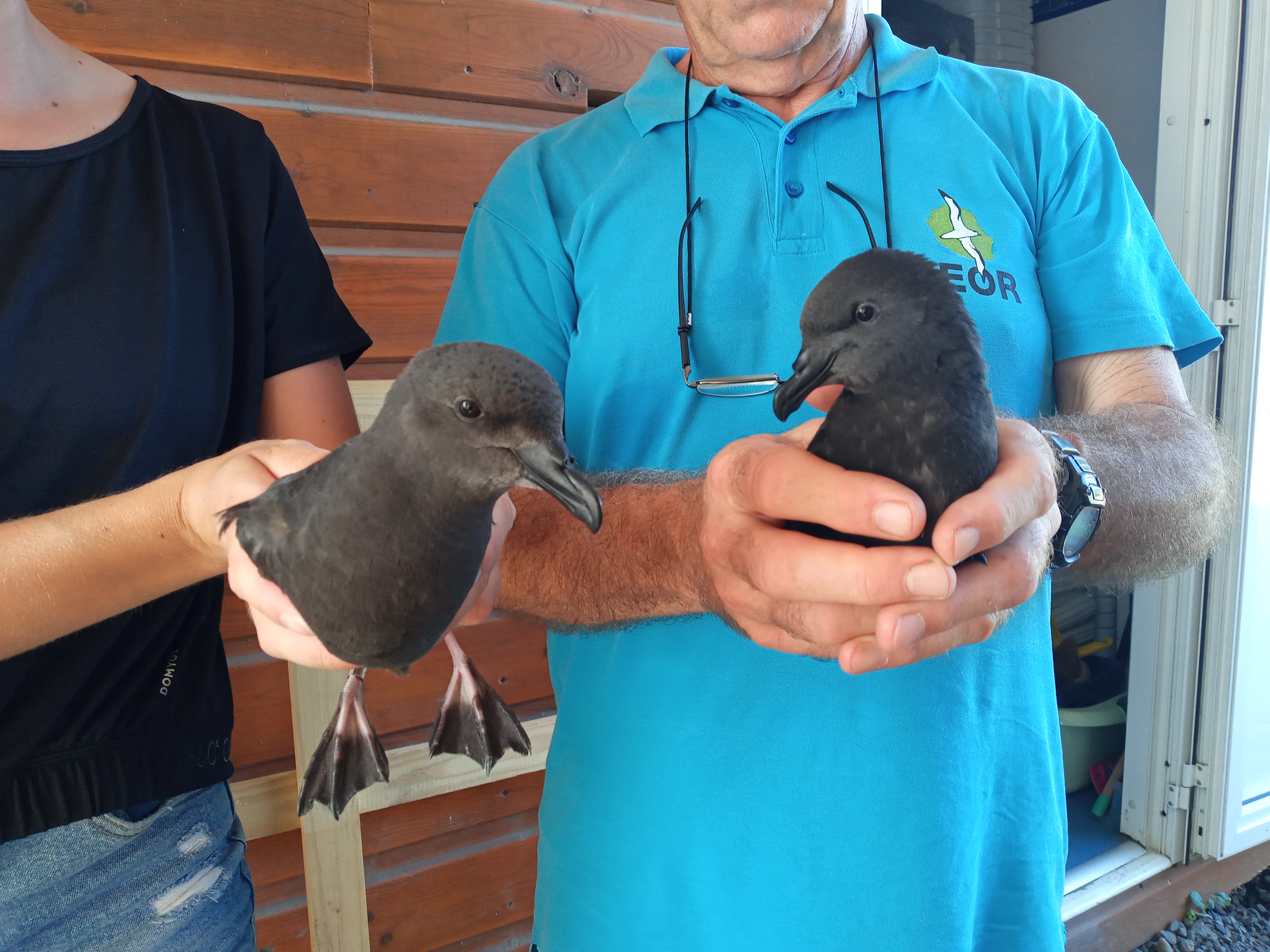
Every year, the SEOR collects between 1,000 and 1,500 young Barau’s petrels. The rescue success rate averages 85% of birds saved and released. This represents approximately 1/4 to 1/3 of all rescue operations carried out by the association over the course of a year. The most critical period is between 19 April and the end of the month when every effort is made to prevent Barau’s petrels from stranding. Among its efforts, the island is trying to reduce the population of invasive alien species by poisoning rats and capturing cats (Carboneras et al., 2020a; Life+ Pétrels, 2025). These actions are not always well received by the inhabitants.
Since 2009, the island of Réunion, through the CCEE (Conseil de la culture, de l’éducation et de l’environnement), SEOR and Réunion National Park, has also implemented a measure to turn off the lights in towns and cities. Initially synchronised with the event that takes place in mainland France and Québec in October (where it is named ‘Le Jour de la Nuit’, i.e., The Day of the Night; https://jourdelanuit.fr/), the SEOR decided to reschedule this date to coincide with the critical flight period for young Barau’s petrels. Sixteen years later, the hour of extinction has turned into a month, corresponding to the flight period for young petrels (Carboneras et al., 2020a; BL Évolution, 2022; Guide-Reunion, 2025).
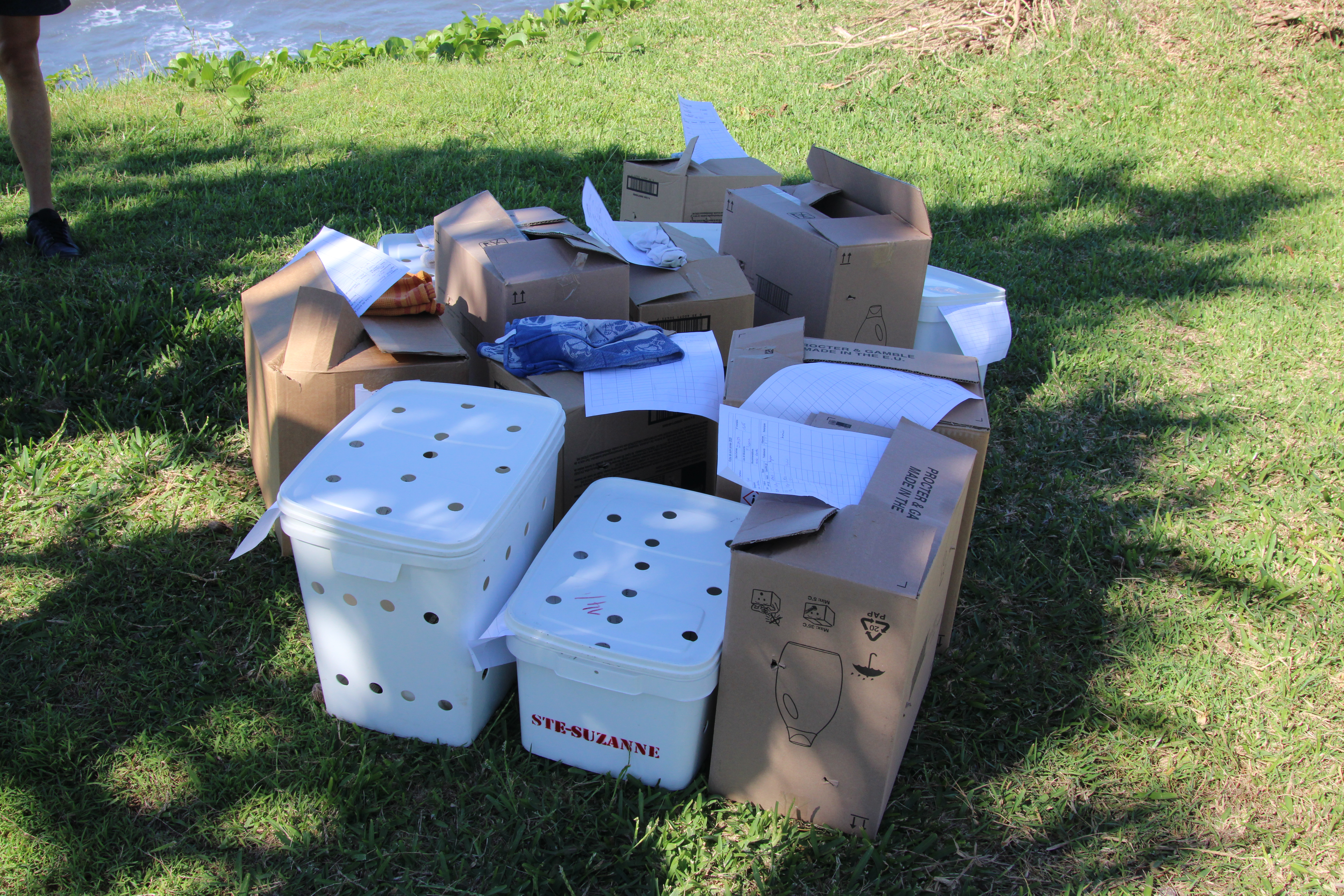
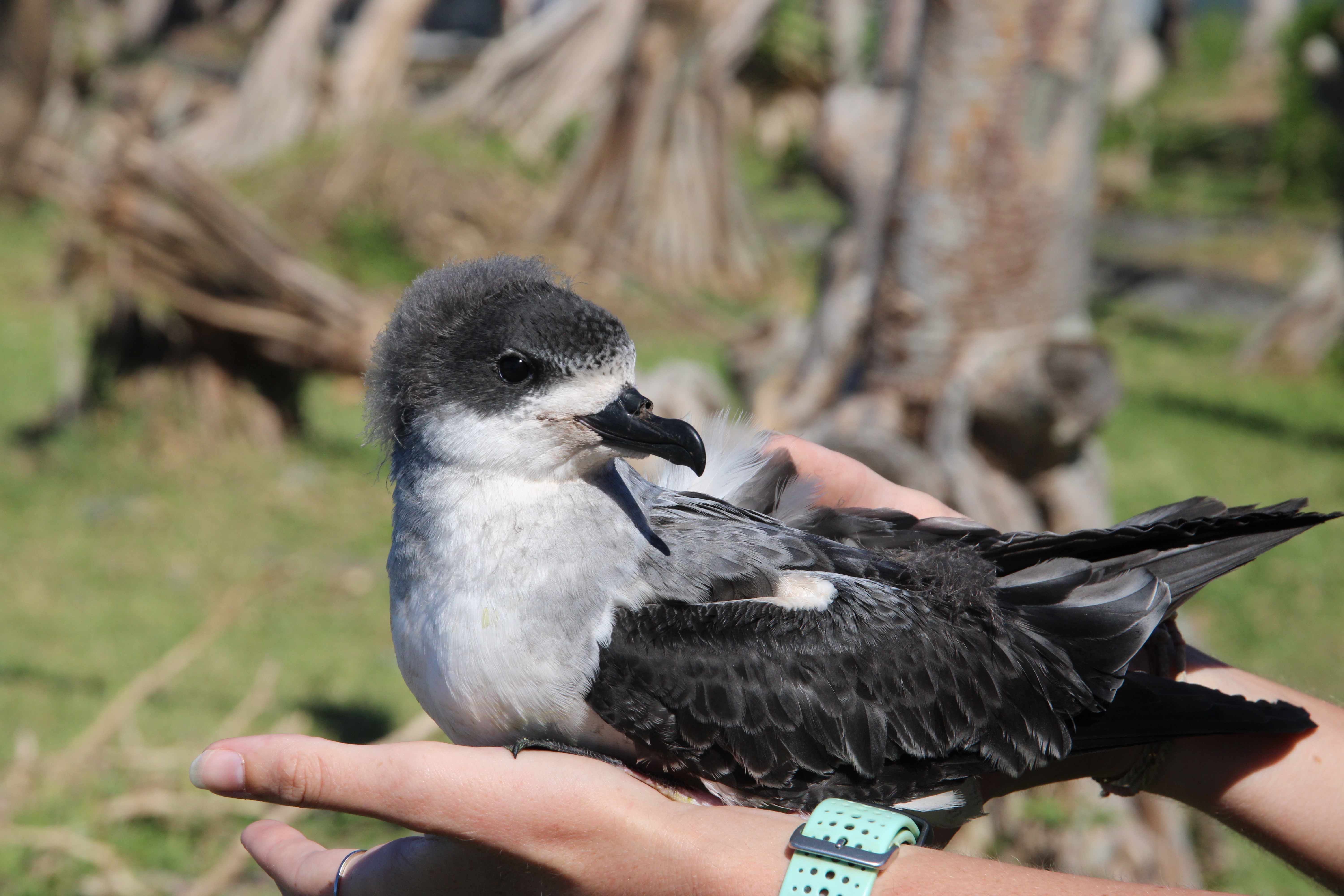
The event called ‘Nuits sans lumières’ (Nights without lights), in Réunion, is not mandatory. “While some parts of the island are playing along, others are leaving their lights on, believing that they are not responsible for the birds stranding themselves, or that it is not a priority for them. The latter must reconcile the welfare of birds with public demands, particularly in terms of safety”, explains Julie Tourmetz during our meeting. This process is also found in mainland France, where many towns and cities are taking a middle ground in order to reassure the population. For example, the intensity of lighting is reduced (Chavance, 2022).
In line with the conservation measures for Barau’s petrel mentioned above, SEOR, the University of Réunion and the National Park have put together a dossier to access a Life+ programme, which provides European funding for various themes, such as the environment. In this case, the programme focused on the conservation of Réunion’s endemic petrels, the Barau’s petrel and the even rarer Mascarene petrel (Pseudobulweria aterrima) (Life+ Pétrels, 2025). Slightly smaller than the Barau’s petrel, this bird is considered as ‘Critically Endangered’ by the IUCN (Carboneras et al., 2020b). Launched in 2014, the programme aimed to promote conservation, communication and awareness-raising activities about the two species of birds (Life+ Pétrels, 2025).
Kickstarting the game
Among these discussions, a proposal for a Game Jam on the theme of the petrel was put forward. A Game Jam is a competition (video or board games) in which participants must create a game within a limited time frame on a given theme, at a local, national or even international level (e.g., https://globalgamejam.org/). At the end of the allotted time, a jury meets to test the games and select one or more winners based on the quality of the production, its originality, or its fidelity to the given theme.
Created in 2014 by Thierry Brochart, the ‘Game Jam des Volcans’ (Volcano Game Jam) is supported by the Bouftang collective, a regional video game association in Réunion. It is organised jointly with the national park and explores predominantly “serious” topics such as volcanology and the water cycle. “SEOR, through the director of the Cité du Volcan, Patrice Huet, has expressed its interest in the exercise,” synthetized me Thierry in our conversation. While there may still be some reluctance to use video games in such concrete initiatives, there was no resistance to the novelty of the concept. “We were really interested to see what it could bring us […] because it was an unusual medium for us. The idea of making a video game, especially through a competition, was intriguing. And that is why we decided to see this adventure through to the end,” Julie Tourmetz summarised.
The jury was made up of members of SEOR, as well as game developers such as Éric Chahi, the renowned French creator of internationally acclaimed titles such as 1994’s Another World and 1998’s Heart of Darkness.
In 2016, the theme of protecting petrels brought together around fifty developers, including Thierry Brochart and Rodolphe Bax, the creators of Jack Barau. After attending a masterclass by members of SEOR on protecting petrels, the developers had 48 hours to design a game based on protecting the Barau’s petrel. “What the game needed was for people to understand what the threats were and why we are trying to conserve the bird,” summarises Julie. Developers were given a lot of freedom in how they interpreted the subject.
The game design of Jack Barau
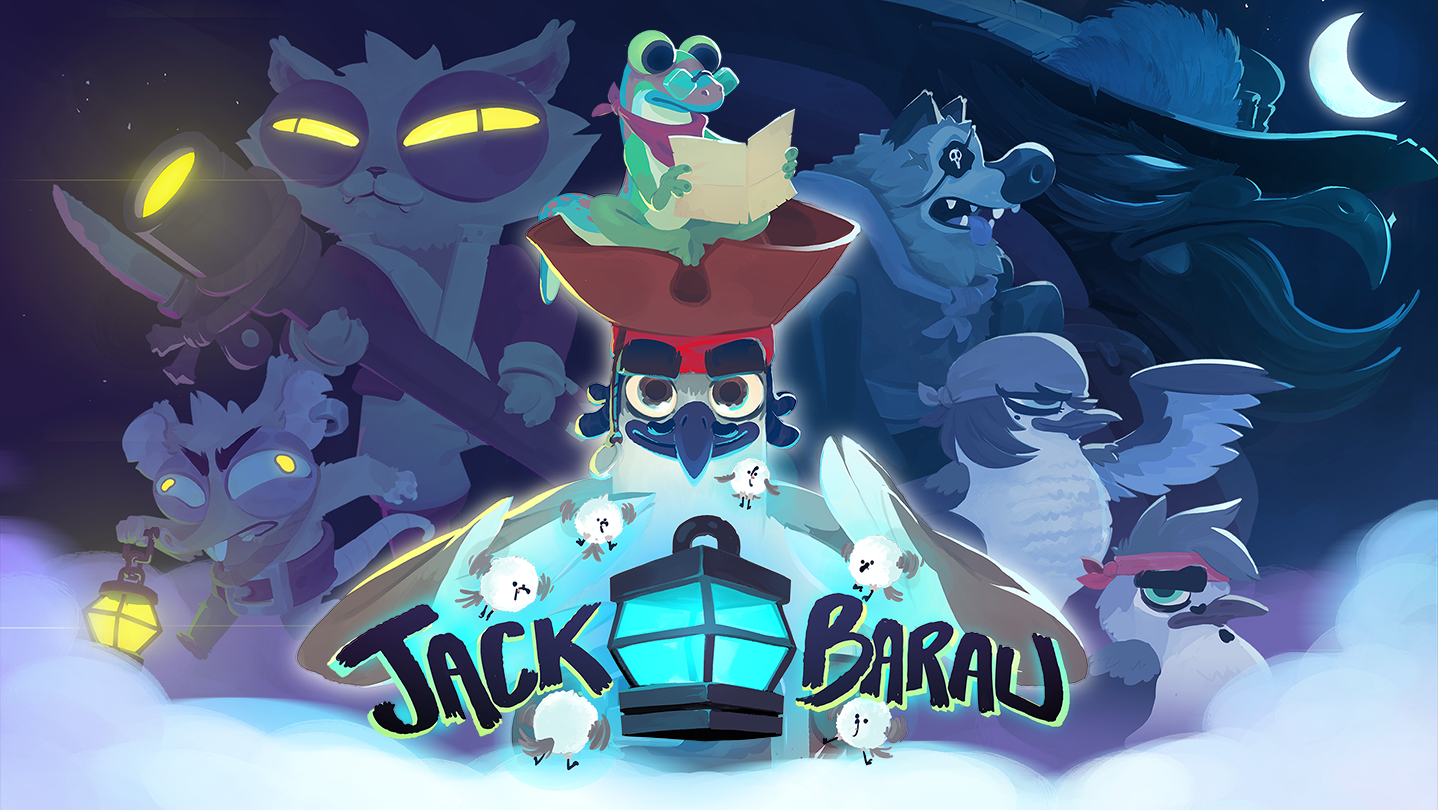
Eight to nine projects were presented, and the one that won the jury’s favour was Jack Barau, created by Thierry Brochart and Rodolphe Bax. It is a 2D platform game in which a Barau’s petrel named Jack must guide young petrels to the end of each level, all in a cartoon-like atmosphere. Players must dodge the yellow lights to avoid losing individuals until they reach the end of the different level, keeping in mind that the more petrels they have behind them, the more complex it will be to navigate the level.
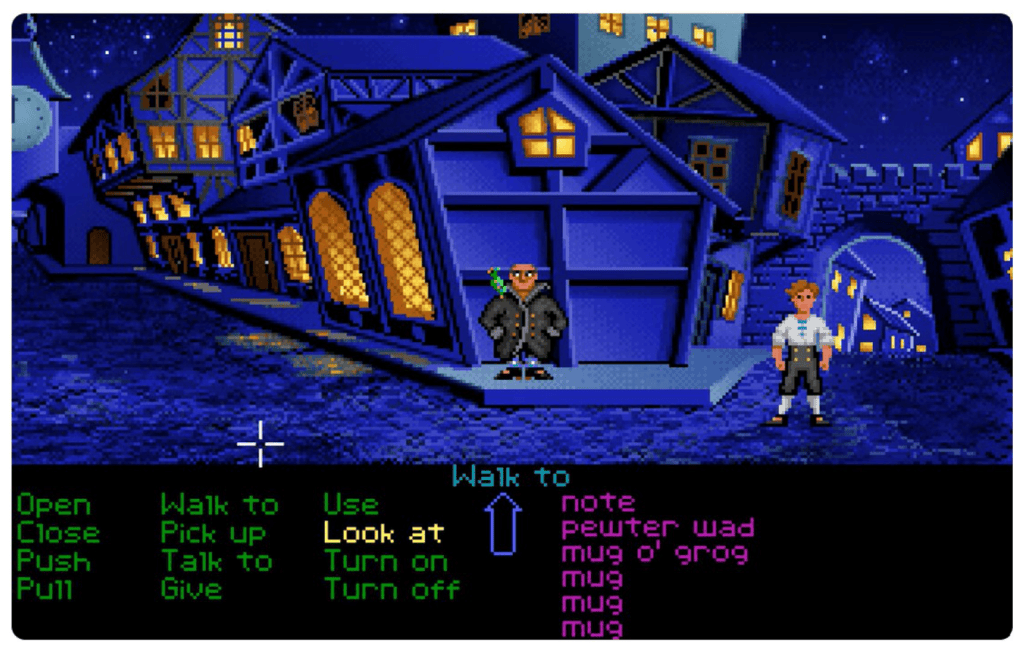
While the game’s inspirations are unconscious, Thierry decided to adopt a design philosophy well known in the video game industry: “design by subtraction.” Popularized by Fumito Ueda, a Japanese game designer famous for games such as Ico and Shadow of the Colossus, the concept consists of removing anything that could be superfluous in the process of development (Mecheri, 2017; Costa, 2022). “We didn’t want anything complicated to get our message across. We thought it would work better if we set a simple framework for our rules and stuck to it,” Thierry points out. As so, Thierry and Rodolphe worked hard to simplify the game and its mechanics, such as Jack’s movement, which allows him to fly indefinitely and makes him invulnerable to yellow lights. This is one last point that could undermine the message but is coherent with reality, as only young birds get trapped by the lights, not adults.
The other rule that Thierry, Rodolphe, and by extension SEOR set for themselves was to make the game as easy to play as possible, since it was intended for all audiences. The cartoon style introduced by Rodolphe was a first step, since it’s generally synonymous with accessibility. But this also had to be reflected in the game’s playability. “We were really keen to offer a game that was very accessible from the outset, playable by a child using only a joystick. I didn’t want us to include tons of tutorials explaining that if you press this button, you can fly,” adds Rodolphe.
The simplicity also comes through in the use of certain codes specific to video games. While the aim was to show the danger of the city’s yellow lights, the developers added another light on Jack’s head – this one blue – to make it logic to players that the young birds they rescue must follow Jack. To complete the idea, audible and visual signal (a small blue halo) were added when Jack comes into contact with a young Barau’s petrel. The distinction between colours and various signals makes it possible to differentiate between danger and safety. Thierry would have liked to bypass the system, which meant finding another one to compensate. All these more playful choices surprised Thierry and Rodolphe to have been selected.
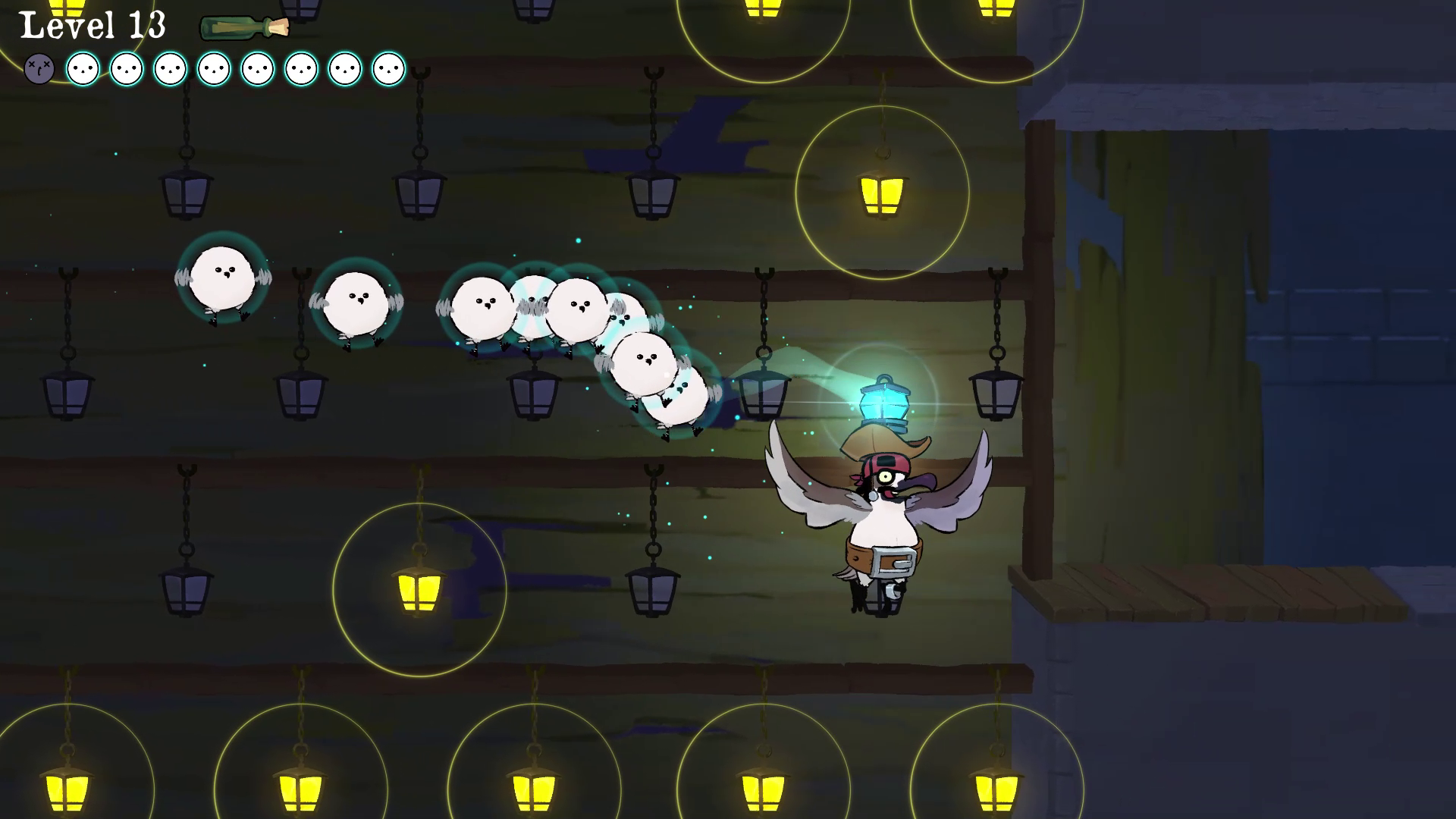
After the Game Jam, Thierry and Rodolphe were able to fine tune their basic project before developing Jack Barau for mobile devices with financial help delivered by the Life+ program. SEOR and the developers then worked closely together to complete the project, which was to be presented in schools and colleges, as the game’s target audience had been refined. They then set out to develop two aspects that could not be realised during the Game Jam. The first was the presence of predators threatening the survival of young petrels: cats and rats. It was therefore necessary to show their dangerousness, but also that they had to be eliminated to not hinder the birds’ survival. “It was a whole process that allowed us to better explain this to the public, who might be shocked by these actions. We’re talking about cat and rat control, about living animals, even introduced and exotic species, which may offend some people’s sensibilities,” says Julie. The cartoon style made it easy to introduce and explain these conservation measures, particularly the use of wolf traps that must be triggered at the right moment in the game by the player. However, the violence of the title was toned down in the definitive version to comply with Nintendo Switch standards and audiences, much more family-friendly.
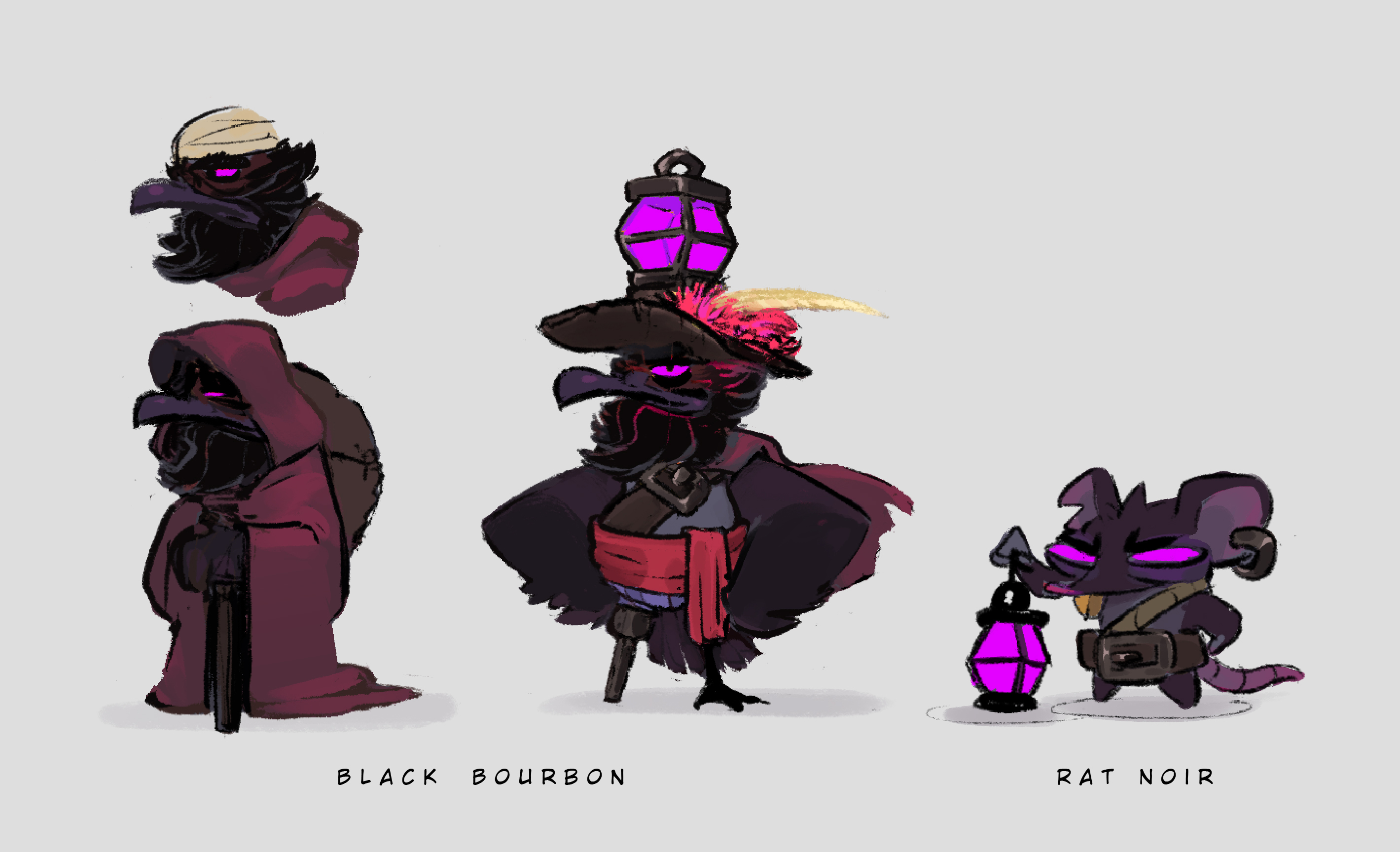
The other aspect that SEOR wanted to develop was the relationship between the Barau’s petrel and the Mascarene petrel. The initial goal was therefore to create a first adventure with the Barau’s petrel, then a second one, using the same game mechanics, where you control a Mascarene petrel called Black Bourbon, considered as the antagonist of the game. As a fun fact, the first colony of Mascarene petrel of Réunion was discovered during the creation of the game (Parc national de la Réunion, 2015). But unlike the Barau’s petrel, the message could not be conveyed with such a small population. It was also much easier for the public to identify with the Barau’s petrel, as it is easier to observe and is regularly cared for. The idea for this second quest was therefore abandoned. Nevertheless, Black Bourbon remains in the final game as a character in its own right, recounting its parallel adventure through a system of collectible bottles in the game. Each time a bottle is picked up, a slightly remixed cry from the Mascarene petrel can be heard.
SEOR tested the game regularly to provide feedback and make corrections where necessary. “SEOR really trusted us 100%, even though we didn’t take many risks, as the message was crystal clear,” says Rodolphe. The developers then iterated on each level, testing it repeatedly to achieve the best balance, ensuring it was neither too hard nor too easy. They were able to do this by calling on various people for playtesting sessions, with volunteers testing the game and then giving their feedback, positive and negative. Even though the game was primarily intended for young people, it was very important to have it played by as diverse an audience as possible. It was thanks to these playtests that Thierry and Rodolphe realised that even though they had developed the project on mobile, which remains the most accessible platform, the game could pose problems for some people, however young they were, who did not necessarily have the equipment to play for example. Outside of schools, Jack Barau was also presented at various public and private events.
CHARACTER DESIGN
Young petrels
Rodolphe and Thierry placed enormous importance on the game’s character design, i.e., the representation and drawing of the characters in the game. For the petrels to be rescued, the two developers wanted to emphasise the simplicity of their design. Rodolphe therefore designed small white balls of feathers, very different from their real-life counterparts, to reinforce the empathy we might feel for them (and to make the game easier to understand).
Jack Barau
The character of Jack Barau was designed to be likeable, clearly inspired by the pirate played by Johnny Depp in the movie series Pirates of the Caribbean. The idea for the pun came right at the start of the Jam, as the episode Dead Man Tells no Tales was set to come out in 2017; from there, Rodolphe created a preliminary design. Once again, Rodolphe set about giving Jack more personality than realism. “If the aim was to make Jack a bird that really resembled the Barau’s petrel, it’s a bit of a failure. Petrels are much slimmer, and in the end, Jack looks more like a Dodo,” explains Thierry to me. With his chubby appearance, thick belt, hat, bandana, little tuft of hair and even his lucky coin, Jack is more like Johnny Depp’s character than a petrel. His traits reinforce his identity as a confident and proud character (even when he is wrong). “What we’re taught when designing characters is that the design must relate to the character’s personality,” continues Thierry. But one barely noticeable detail makes all the difference, and that is the small ring Jack wears on one leg. It is a subtle way of reminding the player that the bird has passed through the hands of other people. “It’s a bit like a cross between the spirit of the player who wants to save the petrels and a slightly crazy captain who has the same intentions,” sums up Rodolphe, in a clever way to break the fourth wall.

The enemies
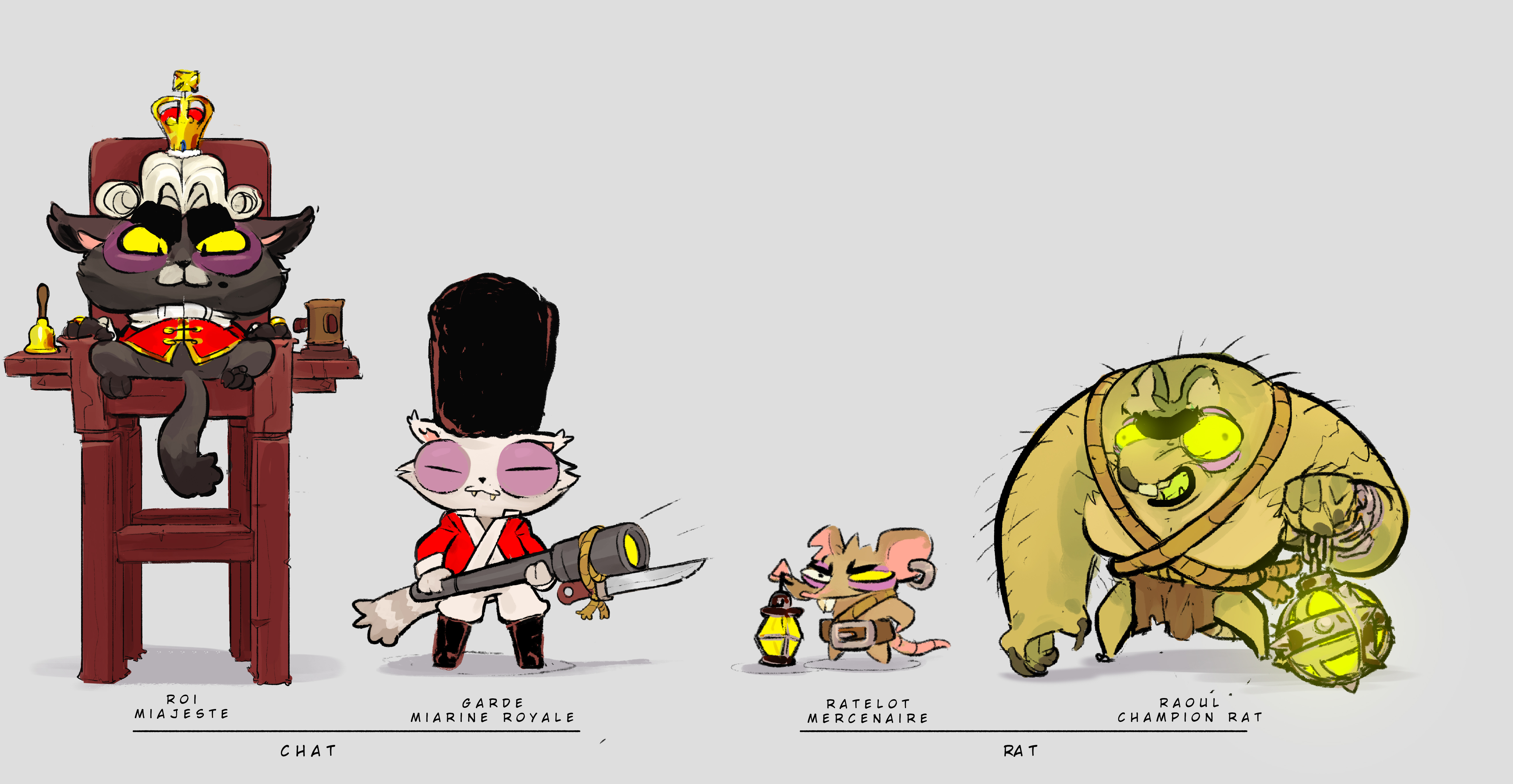
With Jack’s character in mind, the world of parody piracy seemed inevitable to the two partners. The first to be impacted were the cats and rats, enemies of the petrels, who are depicted as British soldiers. The need for rigid characters quickly allowed them to categorise their designs, even if these go further than the Disney’s film series. Initially intended to be pirates themselves, Rodolphe and Thierry found it more interesting to refer these enemies to the past of Réunion, whose domination was shared between the French and the English. The final reference for the design of these characters was… rugby, and in particular a highly anticipated match between France and England, known as the Crunch. It’s also a reference to Rodolphe’s practice of this sport. Considered as the antagonist during a long part of the game, Black Bourbon has an opposite design to Jack, with a darker colour palette, but conserving the same aspect of the hero, as Black Bourbon is also a petrel.
Jack’s crew
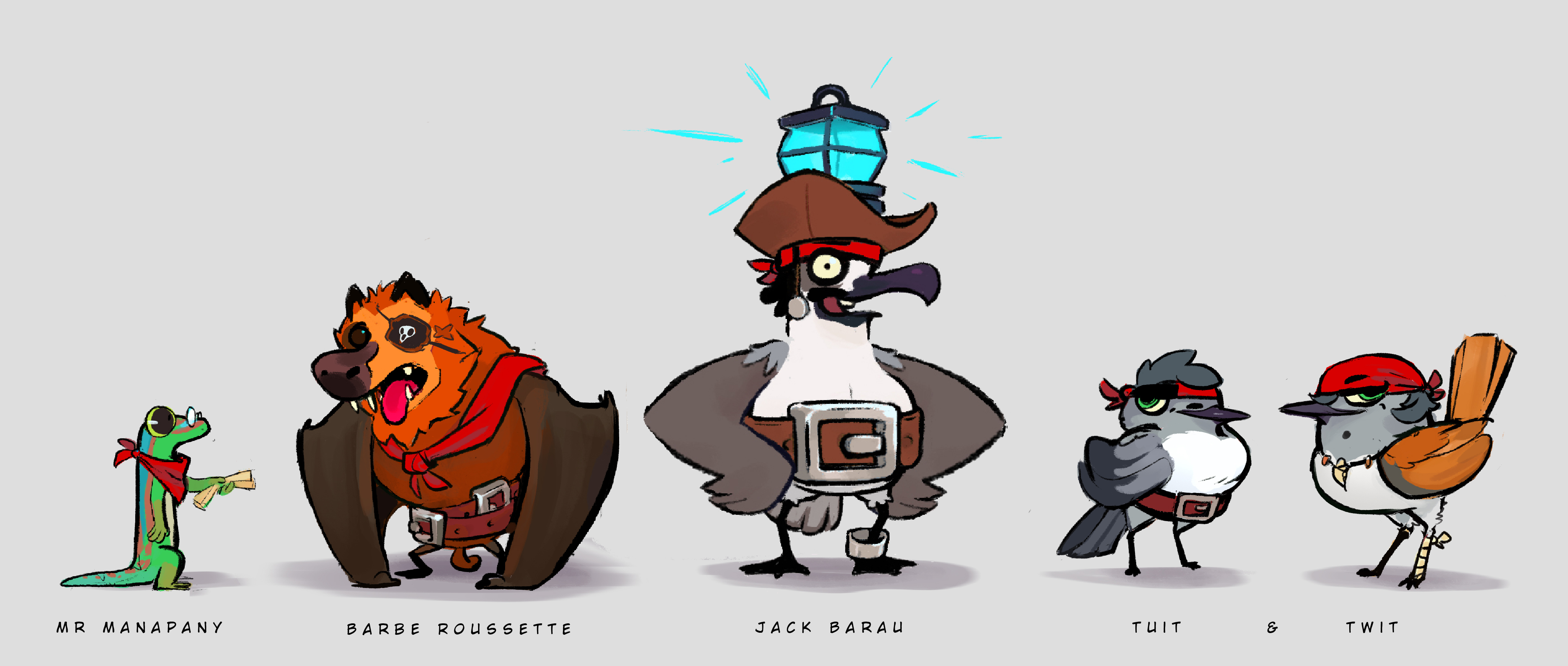
The final version of the game, released on Steam and Nintendo Switch in 2025, also features a whole new crew that follows Jack on his adventure. Rodolphe decided to give free roam to his imagination, while staying true to the theme of endemic species from Réunion and the surrounding area. Jack’s right-hand man, the “Mister Smee” of the crew (a reference to Disney’s Peter Pan’s Captain hook’s first mate), was therefore chosen to be a Manapany day gecko (Phelsuma inexpectata), endemic to Réunion. They are accompanied by a pair of Réunion cuckooshrikes (Lalage newtoni), which caused Rodolphe quite a few design problems. “At first, I was inspired by Google Images for their design, but that was a very bad idea. SEOR told me that it wasn’t right and guided me in the right direction, which allowed me to refine the design. It’s always better to have experts who know the field (laughs).”
The last member of the crew, the group’s muscle, is a Mauritian flying fox (Pteropus niger). This is a nod from Rodolphe to his parents’ origins, his father being Mauritian and his mother from Réunion, as this bat is found on both islands (Carceres, 2010). All the animals, the vast majority of which are endangered, have also undergone a pirate makeover to fit in with the game’s universe.
The scenery
To model it, Rodolphe opted for clarity, even at the risk of disrupting the game. “On Réunion Island, we have some truly incredible views and colours depending on the locations we wanted to include in the game. Except that we realised that changing the scenery changed the lighting atmosphere, and therefore the clarity,” explains Rodolphe. As graphics are also a very costly resource in game development, Rodolphe and Thierry settled for simplistic scenery consisting of generally wooden constructions, beaches and streets seen in cross section. “There was no point in enhancing the scenery. My only regret is that at the end of the game, I would have liked to have had a little sunrise to end the adventure,” concludes Rodolphe.
DISCUSSION
Aftermath of Jack Barau
As we have seen, creating a game based on the conservation of an animal species requires a huge investment and a great deal of thought. Developers must synergise realism and playfulness, with the ultimate goal of striking a balance between learning and fun. This tension between the two realities is a key foundation in many video games that want to teach things, whether they focus on the environment or history, or decided to make that learning subsidiary (Verdier, 2023c). Developers must also consider the simplicity of their game in order to convey their message clearly.
Finished in 2017, the primary version of Jack Barau has been enjoyed by all middle school students in Réunion. Thierry Brochart explained to me that the game was download more than 3,000 times. But the impact is probably greater than that, as Camille Payet (the previous communication officer at the SEOR) used the game on tablets for pedagogic meetings with the 83 high schools of the island, and that without counting the numerous discussions between parents and children about the game. If the game resounding success seems to be agreed upon by the three protagonists involved in the game, with students and the general public getting caught up in the game of conserving the Barau’s petrel, it’s pretty complicated to quantify clearly how many people have been really impacted by the game. The actions of SEOR since its creation in 1997 have undoubtedly influenced the general public’s behaviour towards the bird. While the main target audience, namely young children, may indeed be more impressionable, it’s possible that some of the 3,000+ people who downloaded Jack Barau were already aware of the importance of conservation efforts through other events like the annual ‘Nuits sans lumières’. The use of the Jack Barau video game may in fact be just one of many tools for animal conservation, and this is how Thierry, Rodolphe, and Julie see it at the moment.
Controversy and benefits of conservation games
As mentioned earlier, serious games are used by many people to address serious topics that form the basis of the game (Annetta 2010; Verdier, 2024b). It is therefore inevitably interesting to know the impact that serious games could have on players. Numerous studies have demonstrated the positive results induced by gaming, particularly in terms of learning, with STEM subjects (science, technology, engineering and mathematics) being the most popular (Annetta 2010; Boyle et al., 2015; Verdier, 2024b). However, video games, like other media, have sparked controversy around what is known as ‘Nature Deficit Disorder’ (NDD) (Fletcher, 2017).
Theorised by Richard Rouv, this syndrome is characterised by a distancing from nature that has a negative impact on health (Rouv, 2010; Fletcher, 2017). As a result, the new learning methods made possible by new media have been somewhat criticised, for fear of reinforcing this disconnection and reducing the willingness to engage in conversation. Some studies have indeed concluded that there is a gap between the perception of reality and reality itself, while proponents of the use of these new media have argued that it is impossible to ignore one of the world’s leading forms of entertainment, which can have benefits (Boyle et al., 2015; Fletcher, 2017; Dunn et al., 2021; Thomas-Walters & Veríssimo, 2022).
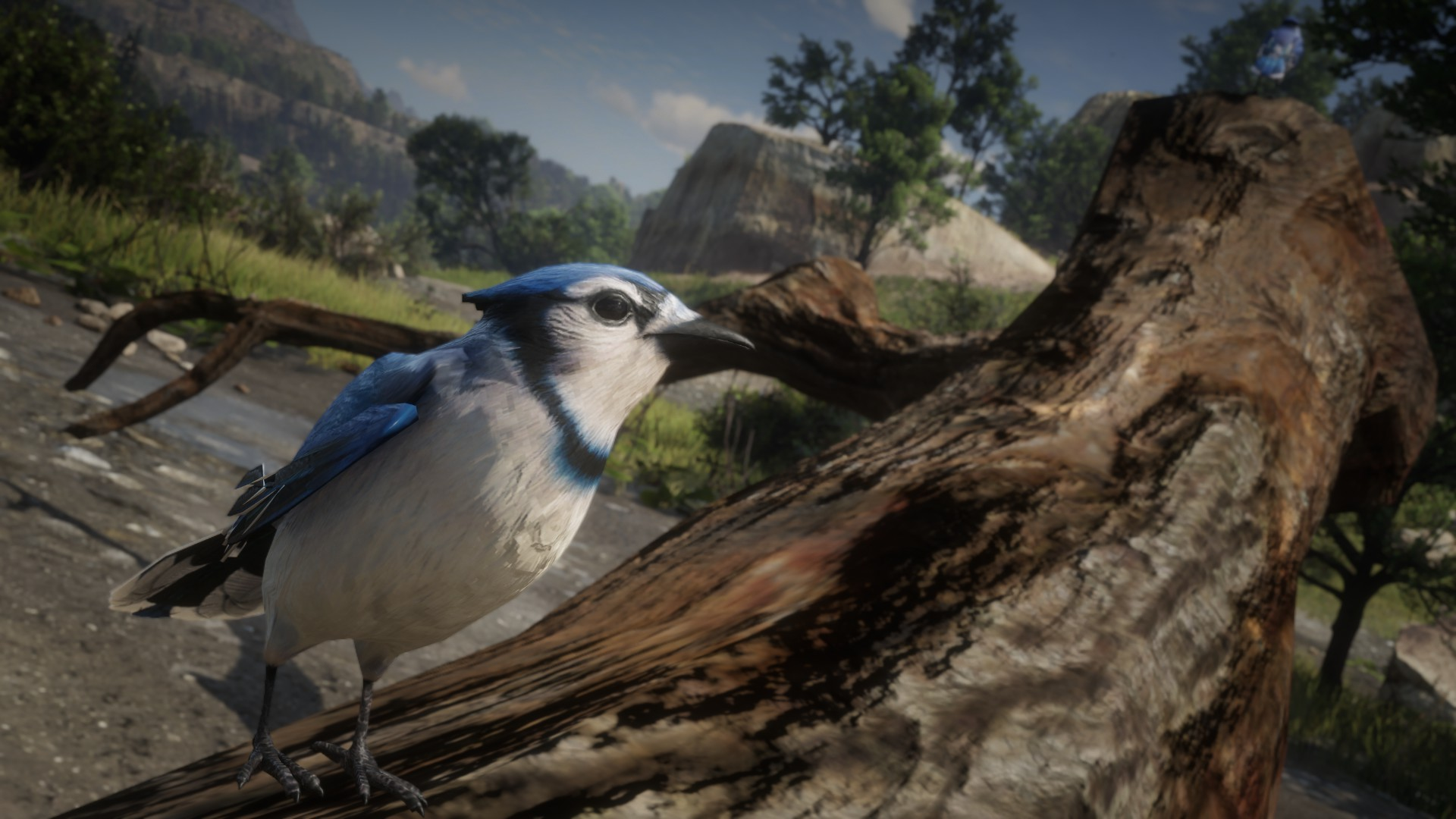
In this regard, more studies are attempting to counter critics by analysing the use of video games to raise awareness for species conservation. The augmented reality phenomenon Pokémon GO opened up new horizons in the late 2010s. Drawing on a rich mythology (namely the great diversity of Pokémon), and thanks to a mirror effect, the game encouraged players to take a greater interest in the animals of the world, even if nuanced (Dorward et al., 2016; Fletcher, 2017). In 2021, a study was conducted on the game Red Dead Redemption II to see if people can retain elements of the fauna seen on the game (Crowley et al., 2021). The vast majority of people recognized more species after playing and finishing the game than the others (Crowley et al., 2021). Thus, even if the game is not primarily focused on conservation of species, its stunning appeal to a kind of realism about nature and animals, notably birds, was praised by many people (Lund, 2019; Verdier, 2024a).
In 2024, 200 randomly selected participants were invited to download and play the game Kakapo Run for seven days, before being tested on their knowledge of the bird in another study (Veríssimo et al., 2024). The results of the study showed that players were more inclined to understand the threats to the kākāpō, encouraged conservation efforts, and even had an effect on how they managed their pets. However, this study pointed out numerous limits to the use of video games, such as insufficient infrastructure, digital division of high and low income people in the same country or low reach of the game’s target (only 2% of the 100,000+ people that downloaded Kakapo Run are from New Zealand, as it became a minor hit in India) (Veríssimo et al., 2024).
The multiple (and complicated) paths to make a conservation video game succeed
The recent global release of Jack Barau on Steam and Nintendo Switch on May 2025, after the primary version for educational purpose was made, might actually show other limits of video games. Although the final version of Jack Barau has 13 levels compared to 3 in the initial version presented to the public, and numerous adjustments, it cannot compete with other gaming experiences, even if its message is valuable. The game is pretty short, really repetitive and pretty expensive compared to others in a saturated market, something that developers are aware of (Corey, 2025).
Between playfulness and playful messaging, the former always seems to take precedence over the latter, preventing institutions or developers involved in this type of project from neglecting this aspect, lest their game fail to sell (Sandbrook et al., 2014). While the public is inclined to download a product such as Kakapo Run for free, it is fairly certain that this game would not have been as successful had it been paid. The audience that could afford to buy this type of product would probably be those who are invested in either video games or conservation. All in all, the primary target audience (the general public) would not be reached. This is somewhat in line with the second part of the conclusion by Veríssimo et al. (2024), who noted that even though the tested people were more aware of conservation efforts, they were not more inclined to financially support this type of program (see also Sandbrook et al., 2014; Thomas-Walters & Veríssimo, 2022).
Still, there are games that have successfully mixed joyful and ecological message and could, in the future, serve as inspiration for the creation of more titles about environmental conservation as part of “naturalist video games” (Verdier, 2025a). Alba: A Wildlife Adventure, developed by Ustwo Games in 2020, successfully combines ecological messages with constant renewal. In it, the player controls the character Alba, who travels around an island to restore it and take photos of the local wildlife (mainly birds). The high degree of control given to the player, the variety of actions available, and the meticulous artistic direction have enabled the title to sell over a million copies. The developers also launched a campaign to plant trees for every game sold, which ended once a million copies had been sold (Ecologi, 2025). Alba is now considered a flagship environmental video game due to its universe and accessibility for younger players (Verdier, 2025a).
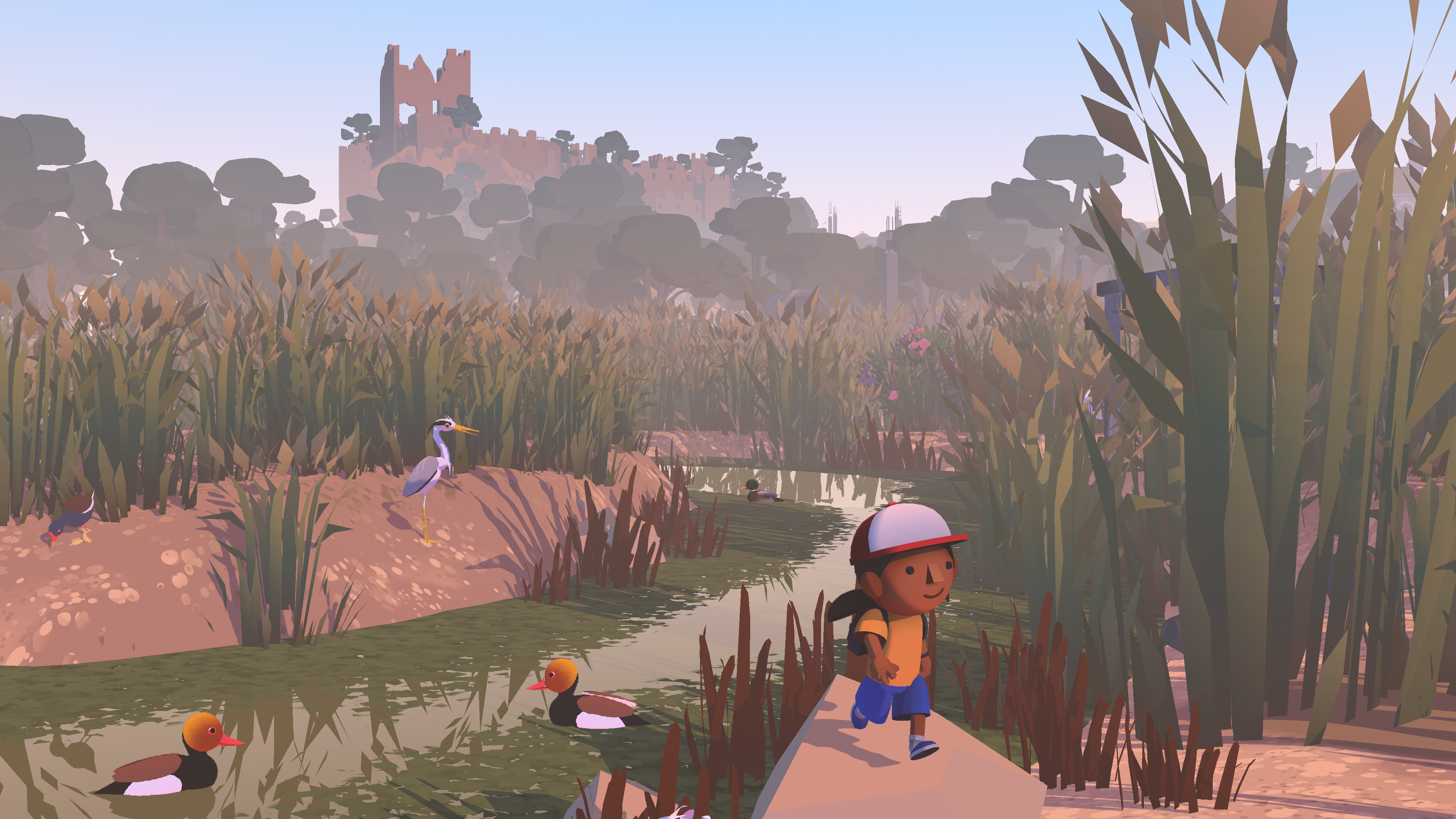
If Alba is just one good example of what can be done in the field of conservation, we must not overlook the realities of video game development, particularly economical ones. Making a game takes time and, above all, can be very expensive (Schreier, 2025). It is easy to imagine that development of Alba could have costed several hundred thousand or even million euros, therefore stilling a low-budget video game. Some productions exceed half a billion dollars, or even a billion like a certain Grand Theft Auto VI scheduled for release in 2026 (Schreier, 2025). This financial reality is incompatible with conservation efforts, which already requires colossal investments to be carried out, without necessarily guaranteeing the sustainability of these efforts due to political instability or global warming, for example. Furthermore, it is impossible to know whether video games will generate a return on the investment, and the operation may rightly be considered a financial risk due to market volatility. For all these reasons, it is normal for environmental associations and actors to turn more towards equally entertaining and educational media such as board games, which are less expensive, better known, and more profitable.
With a view to financing conservation efforts, the Philippines has proposed in 2024, a mobile game called Animal Town, developed by ThinkBIT Solutions in collaboration with the Biodiversity Finance Initiative (DENR-UNDP BIOFIN) of the United Nations Development Programme (UNDP), the Department of Environment and Natural Resources Biodiversity Management Bureau (DENR-BMB) and the Forest Foundation Philippines (FFP) (FFP, 2024; BIOFIN, 2025). The game is extremely interesting to analyse for several reasons. The first is that it was launched to raise funds for conservation. Although the game is free to play, it generates revenue through in-app purchases and advertising, with the profits allocated to supporting biodiversity projects (BIOFIN, 2024). The second is that Animal Town is a more complex game in terms of gameplay and narrative than other conservation games. It is a “City Builder” in which the player must manage a virtual city by completing various quests given by anthropomorphic animals. The more the player develops the city, the more inhabitants it will have. The game also incorporates a variety of information on biodiversity as a whole.
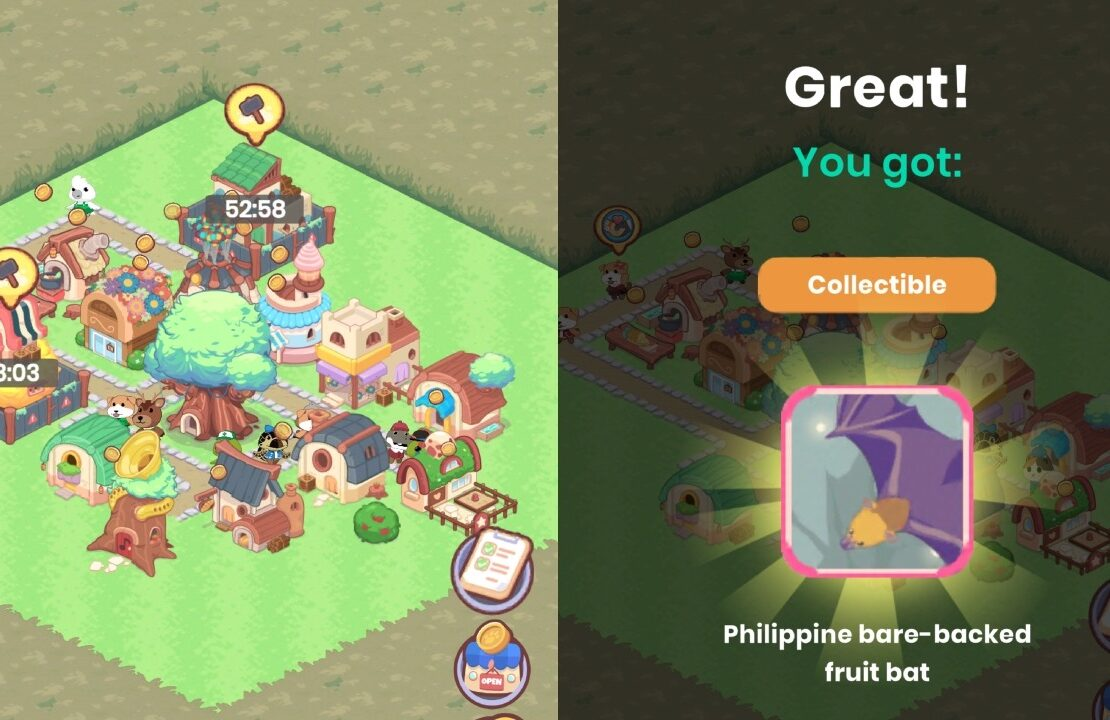
Unfortunately, despite the 30 million Filipino mobile gamers representing a market worth around 10 million dollars each year, the game is struggling to gain traction, having been downloaded only around 20,000 times and generating just around 300 dollars in revenue as of March 2025 (BIOFIN, 2025), once again confirming Verríssimo et al.’s (2024) conclusions. While Animal Town’s contribution may seem insignificant –especially compared to the 100 million dollars released by the Philippine Biodiversity Strategy and Action Plan (PBSAP) each year and the 530 million that would be needed to actually meet all biodiversity protection targets in the Philippines– again, each year the game opens the door to new solutions aimed at bridging this gap in a rapidly expanding market (BIOFIN, 2025). Around 75% of the country’s 115 million inhabitants owned a telephone in 2024, a number that is expected to reach near 90% this year (Statista, 2024).
It is nevertheless interesting to note that in recent years, many developers have been campaigning to reconcile short development times, low investment costs, and hooked gameplay (Game Camp, 2025). As Julie reiterated in our interview, “it is certain that the creation of games will have to go through service providers, as institutions and other private actors do not have the knowledge, skills, or budget to create these games independently, or even to conceive them properly.” The alliance of these developers with actors can lead these projects could constitute another bold avenue for action in the environmental field in the future. Less expensive but just as interesting for stakeholders, the possibility of partnering with an existing video game for one-shot operations could be another alternative.
In 2020, as part of the release of the documentary Blue Planet II, the BBC teamed up with Never Alone developers E-Line Media, to create a game based on the documentary. (BBC Studios, 2020). Named Beyond Blue, the game’s development was closely monitored by a team of specialists, including Dr Samantha ‘Mandy’ Joye from the University of Georgia (BBC Studios, 2020; Journal of Geek Studies, 2020). In 2023, the developers of Under the Waves at Parallel Studio partnered with the Surfrider Foundation in a cross-promotional effort to convey important environmental messages in a more story-driven adventure. These two examples illustrate the importance of involving partners who are knowledgeable about their subject matter in order to make it more tangible. However, this is not a necessity, and games such as Endless Ocean and Songbird Symphony, without necessarily focusing on conservation, have shown that the passion of certain developers can still spark interesting reflections on the animals and environment depicted (Verdier, 2023b, 2024c, 2025a).
Popular since many years, GAAS or “Game as a Service” are productions that are profitable for all the actors in a long run, with Fortnite being the best example, with a simple purpose (GSE Media 2018). To retain its players, the game is constantly renewing itself in terms of its gameplay mechanics, but also in the collaborations it can maintain through a system of “seasons”. The game, which is free to play like Animal Town presented previously, relies on its collaborations to encourage purchases so that players can proudly display the character, weapon or whatever they have obtained, sometimes in an aggressive way called “dark patterns” (Niknejad et al., 2024). Without these dark patterns, GAAS could be an interesting way to imagine similar initiatives in the future to promote conservation, for example by remodelling part of the map to reflect the biome of the animal to be protected. Part of the money spent by players could then be donated to the program. Partnering with a GAAS offers all the benefits of an awareness campaign. Reflections on the game and its mechanics could provoke the same retention of information, or even the same empathy, as for Kakapo Run and Jack Barau, and the conservation actors would spend much less money than they would on developing a complete game. The game would benefit from a large range of people thanks to its free-to-play formula, and would, by varying its mechanics, prevent players from getting bored. It could also be gaining greater sympathy from players, since it is invested in a noble cause.
But there remains one very important limit in partnerships. The great majority of GAAS pushed by big publishers are TPS or FPS (third/first person shooters), genres that, by definition, emphasises the player’s violence in order to win. There are some exceptions, such as Rocket League (a game consisting of cars playing football), but even so, a conservation organisation or other similar actor would find it difficult to get involved in such projects, as the game would be contrary to their values. Even cartoony violence in video games (and notably the use of guns) is still one of the friction point for detractors of video games, and serious studies have contradicted general statements about players’ aggressive behaviours (Kühn et al., 2019; Przybylski & Weinstein, 2019).
Other limitations can be seen in creative thinking, for example, with regard to skins. While it is acceptable in a GAAS for players to have multiple costumes, it could be frowned upon to end up with an animal costume to wear, which could refer to poaching and everything surrounding it. Establishing such partnerships requires a great deal of flexibility on the part of actors, which often results in lengthy negotiations and discussions (Verdier, 2025b).
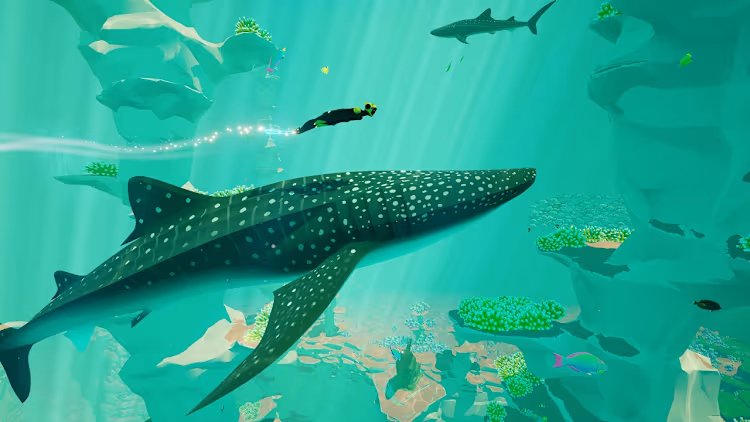
Finally, it is likely that certain animals do not have the necessary appeal for players, due to their rarity or the clichés that still work against them. Conservation efforts involving sharks or spiders would therefore remain very difficult to implement, even when certain games such as Abzû uses an animal’s dangerousness in the collective consciousness to surprise the player in its narrative, with the shark in the game going from enemy to ally, an extremely rare thing in the media (BrySkye, 2016; Mammola et al., 2020; Hoel et al., 2022).
In summary, there are many ways to integrate conservation into video games, and while the benefits are real, the implementation of each project faces numerous social, economic and gaming-related challenges. It is important for all stakeholders to identify the issues in order to make the most of the chosen format. Future studies should focus on clarifying the use of these methods and their potential benefits for conservation stakeholders, either directly (by helping to develop games) or indirectly (by relying on games that promote biodiversity in their experiences thanks to enthusiasts).
CONCLUSION
Jack Barau is part of a movement that seeks to use video games to convey a clear and simple message about animal conservation. With 3.5 billion gamers worldwide, it is unthinkable today that public and private actors would not use video games, a medium that has better resonance now compared to traditional channels. However, there are several realities that stand in the way. The complexity of developing a game requires choices by the developers that must be carefully thought out in order to make the game accessible, interesting, and useful to the general public for communicating its messages. The social and economic realities also remain obvious obstacles to creation, and success.
Nevertheless, it is interesting to see actors of the video game industry lift ecological messages across multiple trials. These games show that there is a real audience that is receptive to these messages and recognizes video games as a potentially major player in communication. The challenge now lies in the success of this communication, and the opportunity to convert this virtual support into real funds. With the narrowing of technological gaps and an increasing mastery of gaming systems, video games could prove to be a key player in conservation, provided that the actors involved understand and consider all their potential.
REFERENCES
Annetta, L.A. (2010) The I’s have it: a framework for serious educational game design. Review of General Psychology 14: 105–113.
BBC Studios. (2020) Beyond Blue. BBC Studios. Available from: https://www.bbcstudiosgamesandinteractive.com/portfolio/beyond-blue/ (Date of access: 11/Oct/2025).
BIOFIN (Biodiversity Finance Initiative). (2024) The launch the Animal Town game app. YouTube. Available from: https://www.youtube.com/watch?v=uE6JtRHS6sk (Date of access: 10/Oct/2025).
BIOFIN (Biodiversity Finance Initiative). (2025) “Animal Town” – an innovative game app created by BIOFIN Philippines – engages gamers in biodiversity conservation. BIOFIN. Available from: https://www.biofin.org/news-and-media/animal-town-innovative-game-app-created-biofin-philippines-engages-gamers (Date of access: 10/Oct/2025).
BL Évolution Simon. (2022) Nuits sans lumière: l’île de La Réunion lutte contre la pollution lumineuse. BL Évolution. Available from: https://www.bl-evolution.com/nuits-lumiere-lile-de-reunion-lutte-contre-pollution-lumineuse/ (Date of access: 07/Oct/2025).
Boyle, E.A.; Hainey, T.; Connolly, T.M.; et al. (2015) An update to the systematic literature review of empirical evidence of the impacts and outcomes of computer games and serious games. Computers & Education 94: 178–192.
BrySkye. (2016) Abzu – a sharks in gaming special. YouTube. Available from: https://www.youtube.com/watch?v=C8Vur1VfJgo (Date of access: 11/Oct/2025).
Buijsman, M.; et al. 2024. 2024 Global Games Market Report. Newzoo, Amsterdam.
Carboneras, C.; Jutglar, F.; Kirwan, G.M. (2020a) Barau’s Petrel Pterodroma baraui. Birds of the World. Available from: https://birdsoftheworld.org/bow/species/barpet1/1.0/introduction (Date of access: 07/Oct/2025).
Carboneras, C.; Jutglar, F.; Kirwan, G.M. (2020b) Mascarene Petrel Pseudobulweria aterrima. Birds of the World. Available from: https://birdsoftheworld.org/bow/species/maspet1/1.0/introduction (Date of access: 07/Oct/2025).
Carceres, C. (2010) Plan de conservation de la roussette noire (Pteropus niger) dans l’Ile de La Réunion. ONCFS, Saint-Denis.
Chavance, A. (2022) Pollution lumineuse et sobriété énergétique: on vous explique l’opération “Le Jour de La Nuit”, samedi à Sens. L’Yonne Républicaine. Available from: https://www.lyonne.fr/sens-89100/actualites/pollution-lumineuse-et-sobriete-energetique-on-vous-explique-l-operation-le-jour-de-la-nuit-samedi-a-sens_14200921/ (Date of access: 07/Oct/2025).
Chong, B. (2015) Endless Runner games: how to think and design (plus some history). Game Developer. Available from: https://www.gamedeveloper.com/design/endless-runner-games-how-to-think-and-design-plus-some-history- (Date of access: 07/Oct/2025).
Corey, S.A. (2025) The crossroads of a saturated gaming market. Medium. Available from: https://medium.com/@coreysa/the-crossroads-of-a-saturated-gaming-market-f6329dee3780 (Date of access: 07/Oct/2025).
Costa, V.M. (2022) The definition of design by subtraction. SUPERJUMP. Available from: https://medium.com/super-jump/the-definition-of-design-by-subtraction-a051e127f171 (Date of access: 24/Oct/2025).
Couture, J. (2024) Kamaeru: A Frog Refuge hopes to inspire a love for the wetlands. Game Developer. Available from: https://www.gamedeveloper.com/design/kamaeru-a-frog-refuge-hopes-to-inspire-a-love-for-the-wetlands (Date of access: 07/Oct/2025).
Crowley, E.J.; Silk, M.J.; Crowleyand, S.L. (2021) The educational value of virtual ecologies in Red Dead Redemption 2. People and Nature 3: 1229–1243.
Dorward, L.J.; Mittermeier, J.C.; Sandbrook, C.; Spooner, F. (2016) Pokémon Go: benefits, costs, and lessons for the conservation movement. Conservation Letters 10: 160–165.
Dunn, M.E.; Shah, G.; Veríssimo, D. (2021) Stepping into the Wildeverse: evaluating the impact of augmented reality mobile gaming on pro-conservation behaviours. People and Nature 3: 1205–1217.
Ecologi. (2025) Ustwo Games Ltd. Ecologi. Available from: https://ecologi.com/albasforest (Date of access: 26/Oct/2025).
FFP (Forest Foundation Philippines). (2024) Animal Town: play your way to a greener and bluer planet! Forest Foundation Philippines. Available from: http://www.forestfoundation.ph/news/animal-town-play-your-way-to-a-greener-and-bluer-planet/ (Date of access: 10/Oct/2025).
Fletcher, R. (2017) Gaming conservation: Nature 2.0 confronts nature-deficit disorder. Geoforum 79: 153–162.
Game Camp. (2025) Froggy’s Battle, Minami Lane, Kabuto Park, ou pourquoi et comment faire des petits jeux. Gane Camp. Available from: https://www.youtube.com/watch?v=ZI5Hj1prCZ0 (Date of access: 04/Nov/2025).
Guide-Reunion. (2025) Les nuits sans lumière à La Réunion. Guide-Reunion. Available from: https://guide-reunion.fr/nuits-sans-lumiere (Date of access: 07/Oct/2025).
Hoel, K.; Chin, A.; Lau, J. (2022) Clashing conservation values: the social complexities of shark depredation. Biological Conservation 272: 109658.
Journal of Geek Studies. (2020) Beyond Blue: a game backed by real science. Journal of Geek Studies 7: 79–83.
Kühn, S.; Kugler, D.T.; Schmalen, K. (2019) Does playing violent video games cause aggression? A longitudinal intervention study. Molecular Psychiatry 24: 1220–1234.
Life+ Pétrels. (2025) Recherche et conservation des petrels endemiques de La Réunion. Calameo. Available from: https://www.calameo.com/read/0057884520e143fdf7039 (Date of access: 07/Oct/2025).
Lund, N. (2019) Birdwatching like it’s 1889: my bird odyssey in Red Dead Redemption 2. The Guardian. Available from: https://www.theguardian.com/games/2019/jan/11/red-dead-redemption-2-birdwatching-birds (Date of access: 07/Oct/2025).
Mammola, S.; Nanni, V.; Pantini, P.; Isaia, M. (2020) Media framing of spiders may exacerbate arachnophobic sentiments. People and Nature 2: 1145–1157.
Mecheri, D. (2017) L’oeuvre de Fumito Ueda: une autre idée du jeu vidéo. Third Éditions, Toulouse.
Niknejad, S.; Mildner, T.; Zargham, N.; Putze, S. (2024) Level up or game over: exploring how dark patterns shape mobile games. Arxiv. Available from: https://arxiv.org/html/2412.05039v1 (Date of access: 11/Oct/2025).
Parc national de La Réunion. (2023) Suivi des populations de pétrels noirs de Bourbon. Parc national de La Réunion. Available from: https://reunion-parcnational.fr/fr/actualites/suivi-des-populations-de-petrels-noirs-de-bourbon (Date of access: 07/Oct/2025).
Przybylski, A.K. & Weinstein, N. (2019) Violent video game engagement is not associated with adolescents’ aggressive behaviour: evidence from a registered report. Royal Society Open Science 6: 171474.
Rouv, R. (2010) Last Child in the Woods: Saving our children from nature deficit disorder. Algonquin Books, Chapel Hill.
Sandbrook, C.; Adams, W.M.; Monteferri, B. (2014) Digital games and biodiversity conservation. Conservation Letters 8: 118–124.
Schreier, J. (2025) Why so many video games cost so much to make. Bloomberg. Available from: https://www.bloomberg.com/news/newsletters/2025-01-10/why-so-many-video-games-cost-so-much-to-make (Date of access: 20/Oct/2025).
SEOR (Société d’études ornithologiques de La Réunion). (2016) Jeu vidéo “Jack Barau”. SEOR. Available from: https://www.seor.fr/article-520-jeu-video-jack-barau.html (Date of access: 10/Oct/2025).
Statista. (2024) Number of mobile phone users in the Philippines from 2021 to 2029. Available from: https://www.statista.com/forecasts/558756/number-of-mobile-internet-user-in-the-philippines (Date of access: 10/Oct/2025).
Surfrider Foundation Europe. (2024) Under the Waves: the video game engaged for the ocean. Surfrider News. Available from: https://www.surfrider.eu/learn/news/under-the-waves-surfrider-quantic-dream-parallel-studio/ (Date of access: 07/Oct/2025).
Thomas‐Walters, L. & Veríssimo, D. (2022) Cross-cultural mobile game evaluation shows improvement in environmental learning, but not behavior. Conservation Science and Practice 4: e12784.
Verdier, F. (2023a) Paris Games Week: La parole aux développeurs / Tales from the devs’. YouTube. Available from: https://www.youtube.com/watch?v=E6t7-t_ynPE (Date of access: 07/Oct/2025).
Verdier, F. (2023b) Songbird Symphony: comment les oiseaux ont influencé la création du jeu? Tales from the devs. YouTube. Available from: https://www.youtube.com/watch?v=9azlD3EPHCE (Date of access: 11/Oct/2025).
Verdier, F. (2023c) Thierry Noël sur Assassin’s Creed, les voyages d’immersions et les consultants historiques. YouTube. Available from: https://www.youtube.com/watch?v=eKiz4JZ6Gco (Date of access: 07/Oct/2025).
Verdier, F. (2024a) Dossier: l’ornithologie de Red Dead Redemption II. PSI. Available from: https://playstationinside.fr/dossier-lornithologie-de-red-dead-redemption-ii (Date of access: 07/Oct/2025).
Verdier, F. (2024b) Marion Blanchet sur les “Serious Games” (et un peu Pyrene). Traces, Le Podcast Jeu Vidéo. Available from: https://tracesjv.lepodcast.fr/marion-blanchet-sur-les-serious-games-et-un-peu-pyrene (Date of access: 07/Oct/2025).
Verdier, F. (2024c) What’s the state with birds in video games? A short summary. International Journal of Avian & Wildlife Biology 8: 55–57.
Verdier, F. (2025a) Game of Faune: Endless Ocean, or the perspectives of the “naturalist video games”. Point’n Think.” Point ’n Think. Available from: https://www.pointnthink.fr/en/game-of-faune-endless-ocean-or-the-perspectives-of-the-naturalist-video-games/ (Date of access: 20/Oct/2025).
Verdier, F. (2025b) Mickaël Newton sur Loisirs Numériques, et “l’au-delà” du jeu vidéo chez Ubisoft (Première partie). Traces, Le Podcast Jeu Vidéo. Traces, Le Podcast Jeu Vidéo. Available from: https://tracesjv.lepodcast.fr/mickael-newton-sur-loisirs-numeriques-et-lau-dela-du-jeu-video-chez-ubisoft-premiere-partie (Date of access: 07/Oct/2025).
Veríssimo, D.; Fiennes, S.; Dunn, M. (2024) Using digital mobile games to increase the support for nature conservation. Conservation Science and Practice 6: e13236.
Acknowledgements
I would like to sincerely thank Thierry Brochart, Rodolphe Bax and Julie Tourmetz for their time and kindness. It was a pleasure to discover the behind-the-scenes story of Jack Barau’s creation, which you can discover about in the sources if you wish. Thanks to Julie and Rodolphe to provide me photos and concept arts for illustrating this study. As numerous entries are in French, don’t hesitate to contact me if you want to know more about them.
About the author
Florian Verdier is a science communicator and lecturer in the field of ornithology. He is also an analyst in the field of video games. This dual expertise has led him to discuss issues relating to animal biology (mainly birds) and its representation in video games for several media outlets.